
When the spotlight turns on your organisation, are your spokespeople ready? In an era where a single interview can make or break a campaign, reputation, or initiative, media training has become an essential skill for leaders across every sector.
Media training is the strategic preparation that transforms spokespeople into confident, compelling communicators. It’s not just about avoiding mistakes, it’s about seizing opportunities to advance your mission, build trust with your audience, and create lasting impact through clear, purposeful communication.
In this comprehensive guide, you’ll discover what media training involves, why it’s crucial for your organisation’s success, and how professional preparation can empower your team to thrive under pressure.
How Does Media Training Work, and Who Needs It?
Higginson Strategy’s media training follows a structured approach designed to build confidence and competence through practical experience. A typical session combines strategic preparation with intensive hands-on practice, ensuring participants leave equipped for real-world scenarios.
Before the session begins, we work with you to develop a customised training plan. This ensures your team makes the most of their time and arrives fully prepared. Based on your specific objectives, we’ll create a detailed agenda, including tailored role-play scenarios. These outline the narrative, target audience, and key messaging your team will focus on, ensuring they’re ready to hit the ground running.
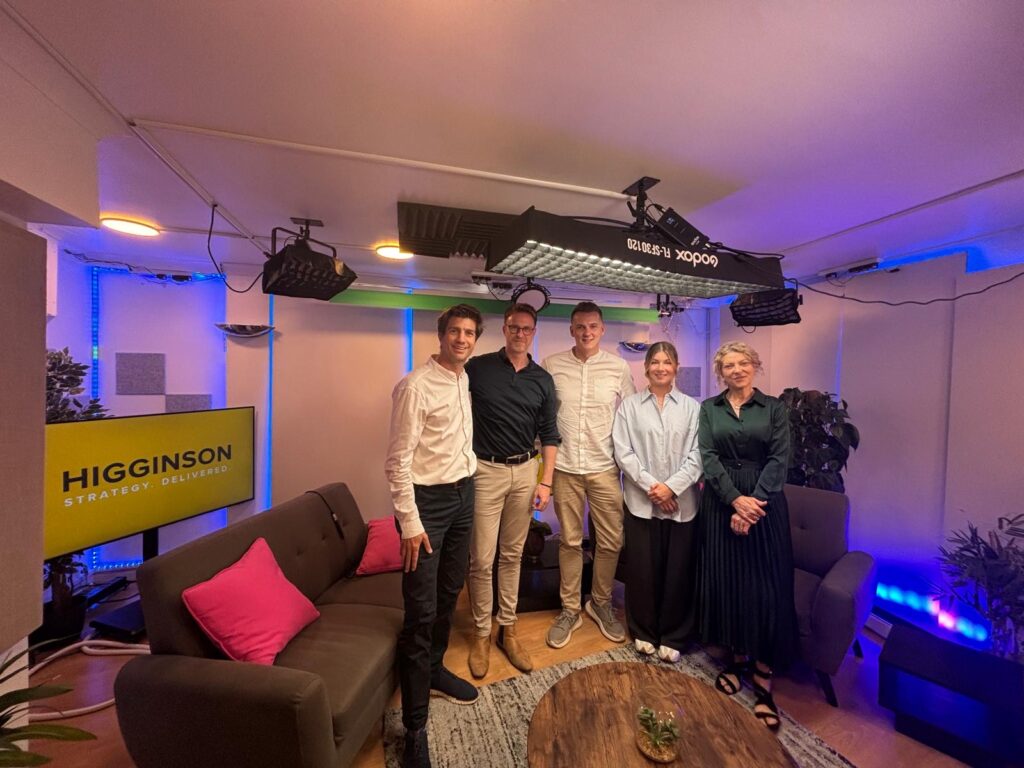
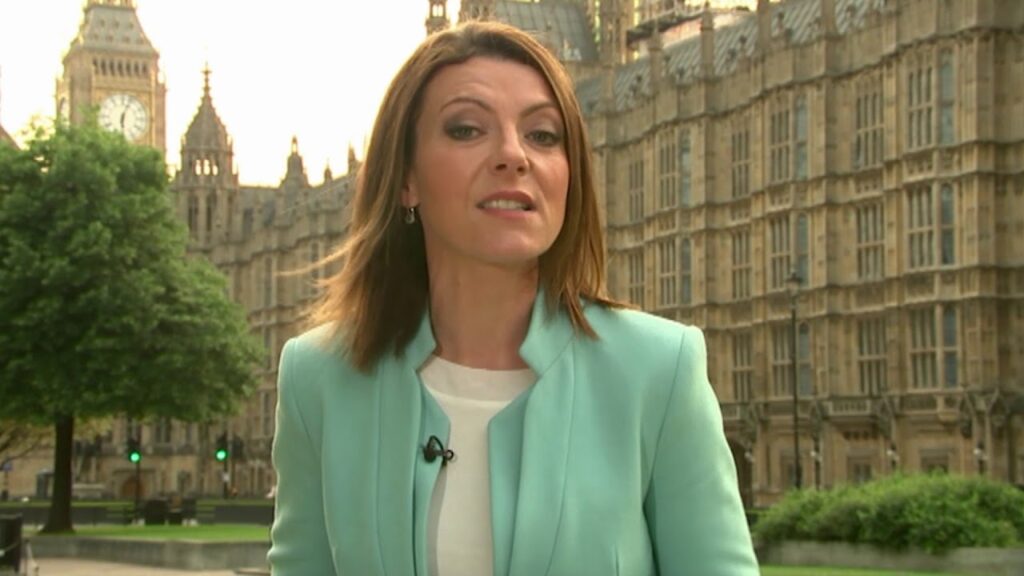
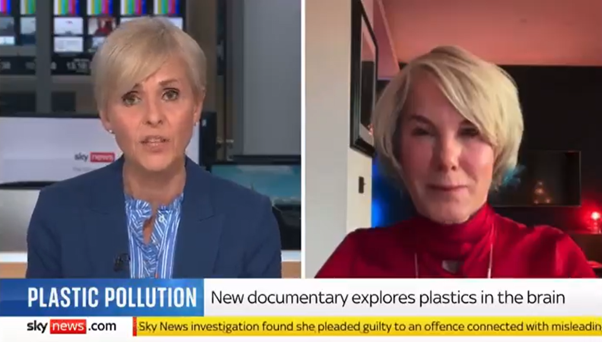
Training takes place at Westminster Live, one of London’s premier TV studios, and is led by Higginson Strategy’s co-founders, John and Clodagh Higginson. Clodagh Higginson, a former Political Correspondent for ITV’s Good Morning Britain, famously stood her ground against Piers Morgan. John Higginson has helped millions understand complex political issues through his expert analysis on Sky News.
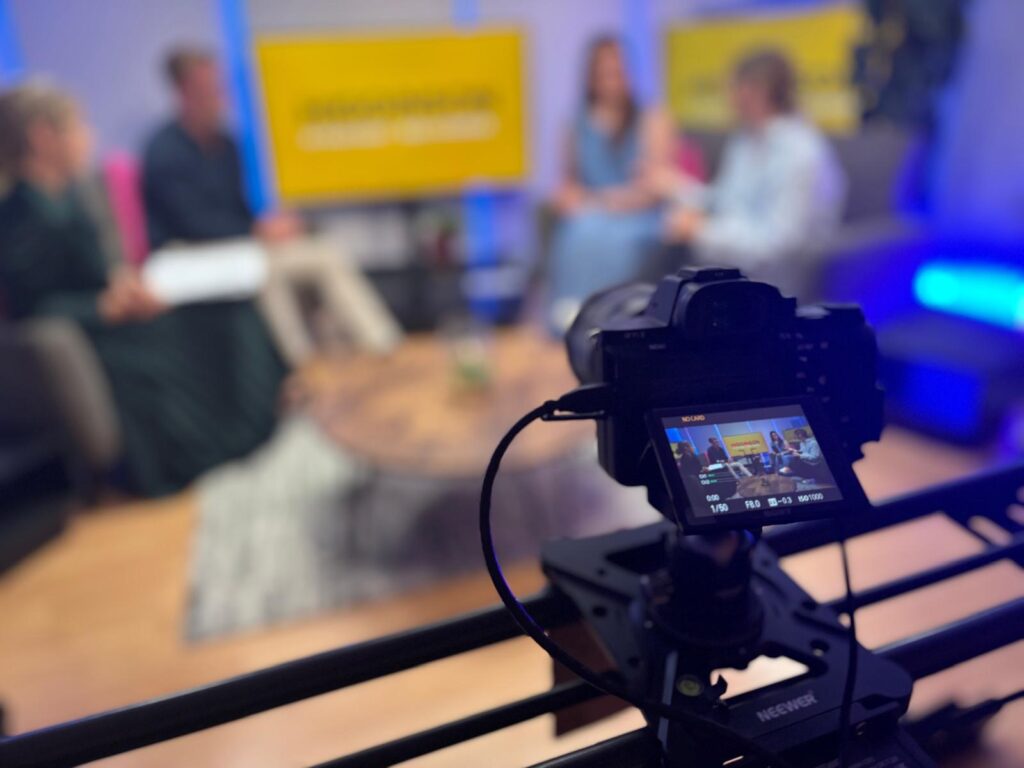
The session emphasises hands-on practice, with mock interviews designed to challenge and prepare your team for real-world broadcast scenarios. We’ll equip them with essential techniques, from handling tough questions to delivering key messages with confidence and poise.
Our media training benefits anyone who represents their organisation publicly. This includes corporate spokespeople managing crisis communications, charity leaders advocating for vulnerable communities, campaign directors fighting for policy change, and policy professionals explaining complex issues to the public. Whether you’re facing hostile questioning or friendly interviews, professional preparation ensures you communicate with authority and authenticity.
Why is Media Training Important?
The stakes in modern media interactions have never been higher. A well-handled interview can elevate your cause, build credibility, and drive meaningful change. Conversely, poor preparation can lead to missed opportunities, damaged reputations, and setbacks for your mission.
Media Confidence
Confidence transforms everything about how you communicate. When spokespeople feel prepared and self-assured, they project authority and credibility that audiences instinctively trust. Media training builds this confidence through repeated practice in realistic scenarios, helping participants overcome nerves and focus on their core messages.
Message Clarity
Even the most passionate advocates can struggle to communicate their message clearly under pressure. Media training teaches you to distil complex ideas into compelling, accessible language that resonates with your target audience. You’ll learn to structure your responses for maximum impact, ensuring your key points land with clarity and conviction, whether you have thirty seconds or thirty minutes.
Reputation Management
Your organisation’s reputation is built through countless interactions, and media appearances play a crucial role in shaping public perception. Professional media training helps you navigate sensitive topics, handle challenging questions, and maintain your organisation’s integrity even in difficult circumstances. This proactive approach to reputation management can prevent minor issues from becoming major crises.
What Does Media Training Involve?
Professional media training encompasses several interconnected elements, each designed to build specific skills while contributing to overall communication effectiveness.
Messaging Preparation
Before facing any journalist, you need crystal-clear messaging that serves your organisation’s objectives. This involves identifying your core messages, understanding your audience, and crafting compelling narratives that resonate across different media formats. We work with you to develop key messages that are memorable, quotable, and aligned with your strategic goals.
Body Language & Non-Verbal Coaching
Communication extends far beyond words. Your posture, gestures, eye contact, and vocal tone all contribute to how your message is received. Professional coaching addresses these non-verbal elements, ensuring your physical presence reinforces rather than undermines your verbal messages.
Mock Interviews
The heart of effective media training lies in realistic practice. Mock interviews replicate the pressure, timing, and unpredictability of real media encounters. These sessions challenge participants with tough questions, interruptions, and challenging scenarios while providing a safe environment to learn and improve. Each mock interview is followed by detailed feedback and coaching.
Feedback From Journalists
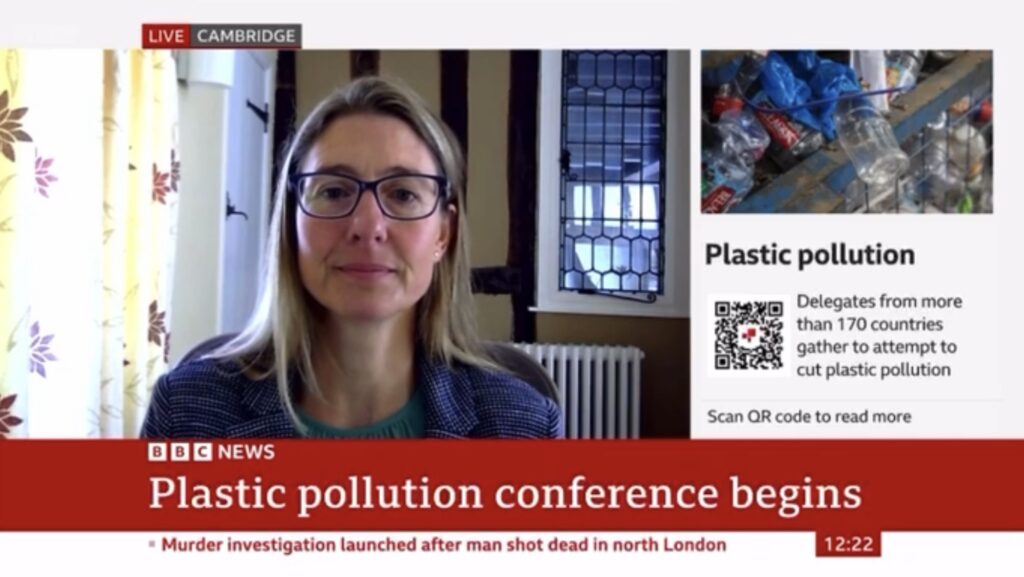
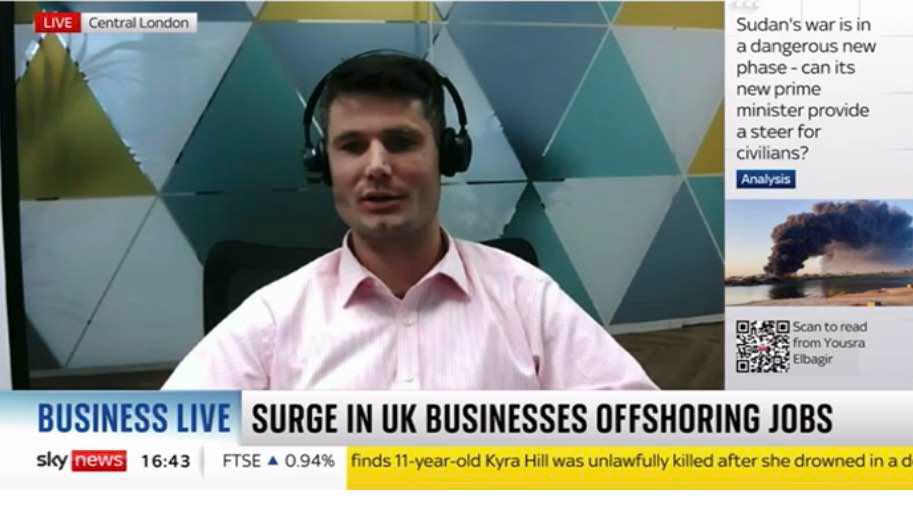
One of the most valuable aspects of our media training is receiving feedback from John and Clodagh Higginson, experienced former journalists, who understand what makes for compelling television, radio, and print coverage. This insider perspective helps you understand how journalists think, what they’re looking for, and how to provide it while serving your own objectives.
Benefits of Media Training
The advantages of professional media training for professionals extend well beyond individual interviews, creating lasting value for your organisation’s communication capabilities.
Consistent messaging across all spokespeople strengthens your organisation’s voice and reinforces key themes. This consistency builds trust with journalists and audiences while ensuring your communications remain strategically aligned regardless of who represents your organisation.
Stronger public perception emerges when your team consistently delivers professional, compelling media performances. This enhanced reputation opens doors to better media opportunities, increased credibility with stakeholders, and greater impact for your campaigns and initiatives.
Perhaps most importantly, training prepares teams for high-pressure interviews and helps avoid reputational missteps. The techniques learned in professional sessions apply across multiple scenarios, from crisis communications to proactive media engagement.
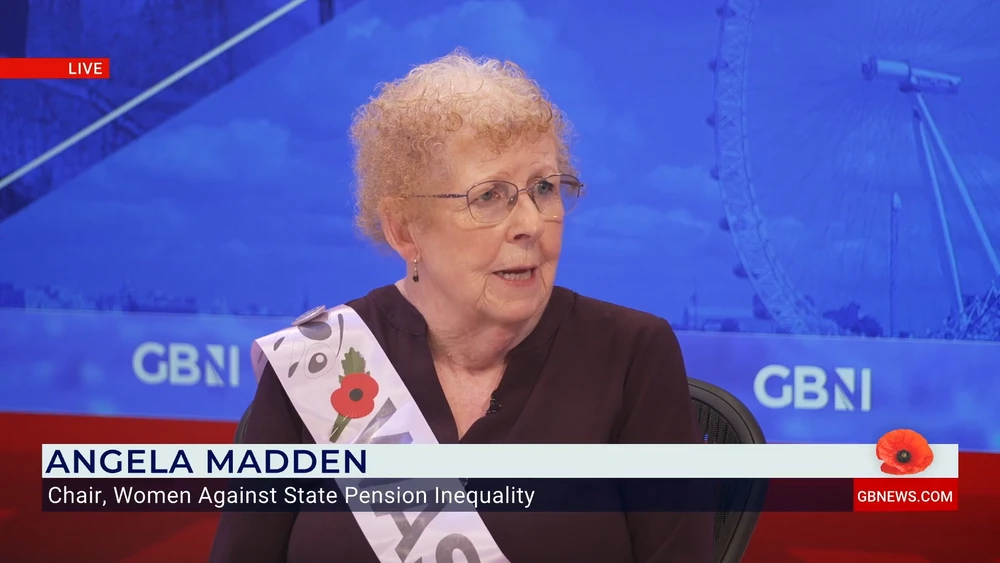
The success of campaigns like WASPI demonstrates how professional media training can amplify advocacy efforts, helping spokespeople communicate complex issues with clarity and impact that drives real change.
Media Training Tips for Professionals
To get the most value out of your media training, we recommend that participants:
1. Treat practice sessions like the real thing.
Approach mock interviews with the same seriousness you’d bring to actual media encounters. Dress professionally, maintain focus, and work through any discomfort or nervousness rather than backing down.
2. Stay open to professional feedback.
Trainers that bring years of journalistic experience and can spot blind spots or counterproductive habits that may be undermining your effectiveness without you realising it.
3. Apply techniques across all communication formats.
The skills you learn extend far beyond broadcast interviews to print interviews, podcast appearances, panel discussions, and even internal presentations. This versatility significantly increases the value of your training investment.
Tips for Successful Media Appearances
Professional preparation extends beyond the training room into practical techniques for media appearances themselves.
How to Handle Tough Questions
Difficult questions are opportunities to demonstrate expertise and reinforce key messages. The bridge technique allows you to acknowledge the question while steering toward your prepared points. Practice phrases like “That’s an important concern, and what’s crucial to understand is…” This approach shows respect for the journalist while maintaining message discipline.
Staying Calm and On-Message
Pressure can derail even well-prepared spokespeople. Develop techniques for maintaining composure, such as taking a brief pause before answering difficult questions or using breathing exercises to manage nerves. Remember that slight pauses appear natural to audiences and give you time to organise your thoughts.
Avoiding Jargon & Filler
Technical language and industry jargon alienate audiences and obscure your message. Practice explaining your work as if speaking to a friend outside your sector. Similarly, eliminate filler words like “um,” “you know,” and “sort of” that undermine your authority and professionalism.
Why Work With Higginson Strategy
Higginson Strategy brings a unique combination of journalistic expertise and purpose-driven communications to media training for executives and advocacy leaders. As a certified B Corp, we understand the challenges facing organisations working for social and environmental change, and we’re committed to helping you communicate with the impact your mission deserves.
Our award-winning reputation reflects years of successful media training and strategic communications work with organisations ranging from grassroots campaigns to major charities and corporate change-makers. This experience enables us to provide training that’s both professionally rigorous and practically relevant to your specific context.
The credibility that comes from our journalistic backgrounds ensures you receive training from professionals who understand media from both sides of the microphone. We know what journalists want, how they think, and what makes for compelling coverage.
Most importantly, we prepare clients for high-stakes media moments with the confidence and competence needed to advance their missions. Whether you’re launching a campaign, managing a crisis, or simply building your organisation’s profile, we provide the tools and techniques needed to succeed.
Ready to transform your team’s media capabilities? Contact us to discuss how professional media training can amplify your organisation’s impact.