

Welcome to Higginson Strategy’s weekly round-up of international news relating to plastic pollution.
This week, NGO Client Earth have led a court challenge in Belgium arguing pollution from Ineos’s Antwerp plastic plant will cause more deaths than jobs created. In the UK, water companies have been ordered to reduce forever chemicals in drinking water sources for 6 million people. Plastic pollution in the ocean could remain on the water’s surface for more than a century, a new study from Queen Mary University has found. UK packaging EPR regulations have been amended to refine producer obligations. Finally, Nestlé, PepsiCo, Unilever and others have backed a new five-year plan to tackle plastic waste.
Pollution from Ineos’s Antwerp plastic plant will cause more deaths than jobs created
The deaths from pollution caused by Europe’s biggest plastic plant, which is being built in Antwerp, will outstrip the number of permanent jobs it will create, lawyers, led by Client Earth, will argue in a court challenge issued on Thursday.
In documents submitted to the court, research suggests the air pollution from Ineos’s €4bn petrochemical plant would cause 410 deaths once operational, compared with the 300 permanent jobs the company says will be created.
Read more here.
UK firms ordered to reduce forever chemicals in drinking water sources for 6 million people
UK water companies have been ordered to tackle potentially harmful levels of so-called forever chemicals in drinking water sources for more than six million people.
Forever chemicals, or PFAS, are a group of thousands of substances used in everyday products. They are persistent pollutants which build up in the environment, and a number have been linked to increased risk of some serious illnesses. The BBC examined 23 enforcement notices issued by the Drinking Water Inspectorate over elevated levels of PFAS which could “constitute a potential danger to human health” to see how many people were affected.
Plastic spends century on ocean surface, study finds
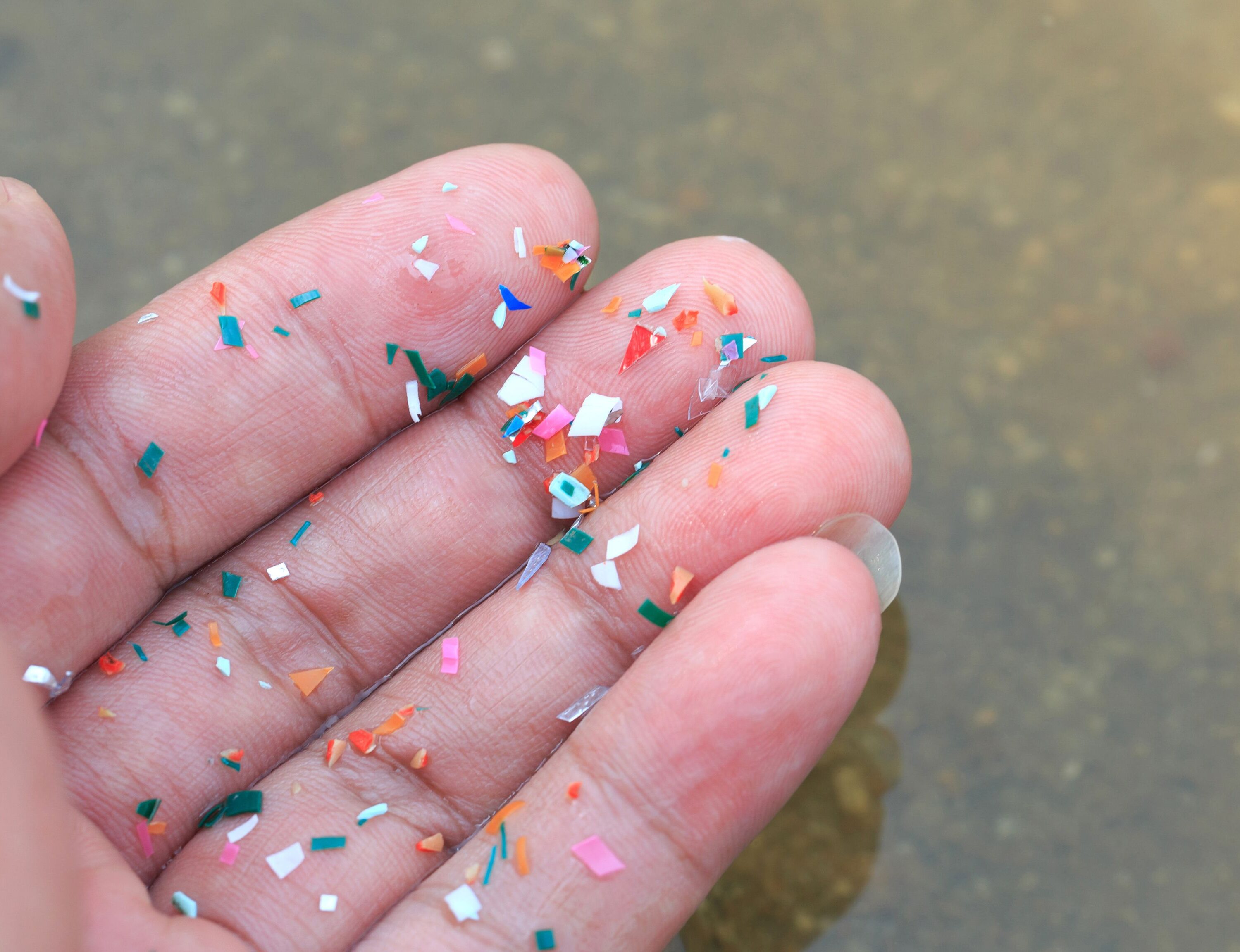
Plastic pollution in the ocean could remain on the water’s surface for more than a century, a new study has found.
Scientists from HR Wallingford, in Oxfordshire, and Queen Mary University created a model to simulate the breakdown of plastic and how long it takes to end up in the deep sea. They found that existing pollution would still float on the surface for more than 100 years, even if no more floating plastic was dumped in the ocean.
Read more here.
UK packaging EPR regulations amended to refine producer obligations
The UK Government this week laid its amended Producer Responsibility Obligations Regulations 2025 before Parliament, updating the 2024 regulations.
The changes, which come into force from the start of 2026, introduce several technical changes to the packaging extended producer responsibility (EPR) scheme established under regulations laid before Parliament in October 2024 and which came into force in January 2025. The changes address operational issues identified during the scheme’s first year whilst introducing provisions to support closed loop recycling systems and clarify producer obligations. This includes a revision to the definition of fibre-based composite material.
Read more here.
Nestlé, PepsiCo, Unilever and others back new five-year plan to tackle plastic waste
Several consumer goods giants including Nestlé, PepsiCo and Unilever have endorsed the Ellen MacArthur Foundation (EMF)’s new five-year action plan aimed at transforming how plastics are produced and used worldwide.
The 2030 Plastics Agenda for Business outlines how companies can work together to accelerate progress towards a circular economy for plastics. It provides a framework for businesses to move beyond individual targets and collaborate through shared advocacy, collective investment and coordinated action.
Read more here.